
Six Building Contract Types in Australia: When to Use Each in Melbourne

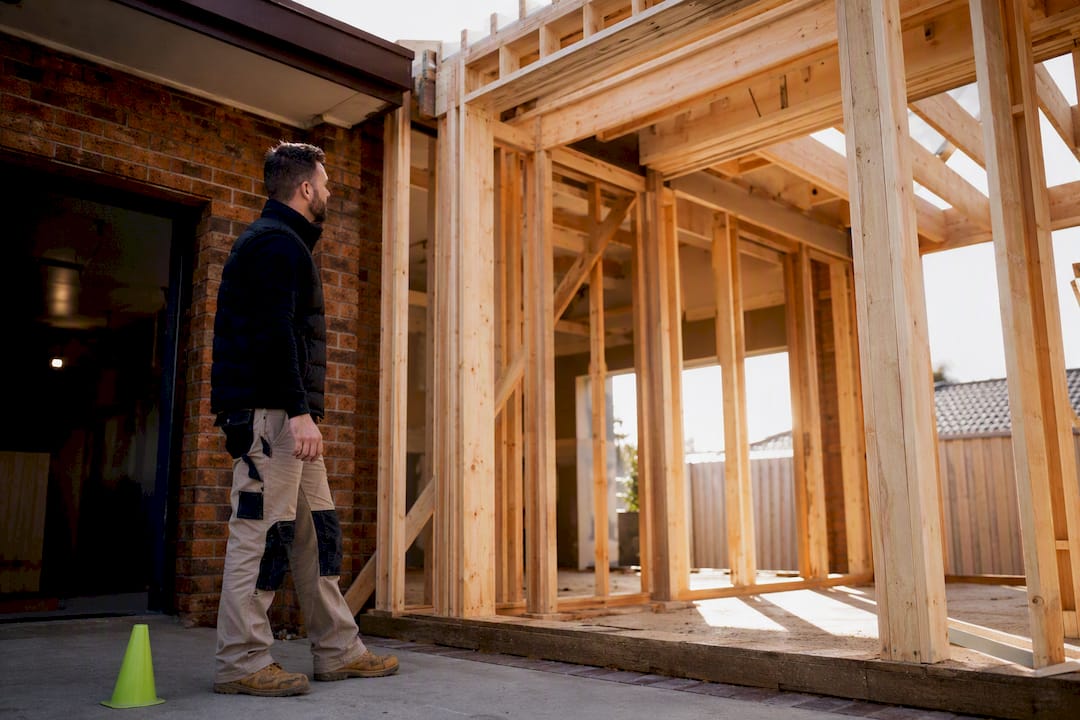
Australian residential building work runs on six main contract structures: lump sum, cost plus, design and construct, schedule of rates, guaranteed maximum price, and time and materials. Lump sum dominates new home construction where the design and specifications are locked in before the first brick goes down. Which one suits your project depends on how well-defined your scope is, and every state and territory sets its own rules about thresholds, written contracts, and progress payments, so check local requirements before you sign anything.
TL;DR:
Fixed-price lump sum contracts are best for well-defined projects, locking in costs and minimizing the builder’s risk, especially when designs are finalized.
Cost-plus and hybrid arrangements suit uncertain scopes like heritage restorations or bespoke builds, offering flexibility at the expense of cost certainty.
State-specific laws determine contract requirements, thresholds, progress payments, and warranties, so legal obligations vary depending on the project location.
Standard-form contracts from industry bodies like HIA or Master Builders must be reviewed and tailored for your project’s jurisdiction to avoid exposure.
Variations, provisional sums, and prime costs should be clearly itemized, documented, and approved before starting work to prevent disputes later.
Table of Contents
The main building contract types in Australia and when each one fits
Standard-form contracts: why the template matters as much as the price structure
What state and territory rules actually require of your contract
Certainty versus flexibility: the trade-off nobody explains clearly enough
Get contract clarity on your next Melbourne build with Yorcon
The main building contract types in Australia and when each one fits
Every contract structure is really just a different way of answering one question: who carries the risk if costs blow out? Get that answer right for your project, and everything else, the paperwork, the payment schedule, the way disputes get handled, tends to fall into place.
Lump sum (fixed price) contracts set one agreed price for the whole job before work starts. The builder wears the risk of cost overruns (within reason), and you get certainty. This is why lump sum is the industry standard for new homes with complete drawings and specifications. Lenders like it too, because a fixed number is easy to finance against.
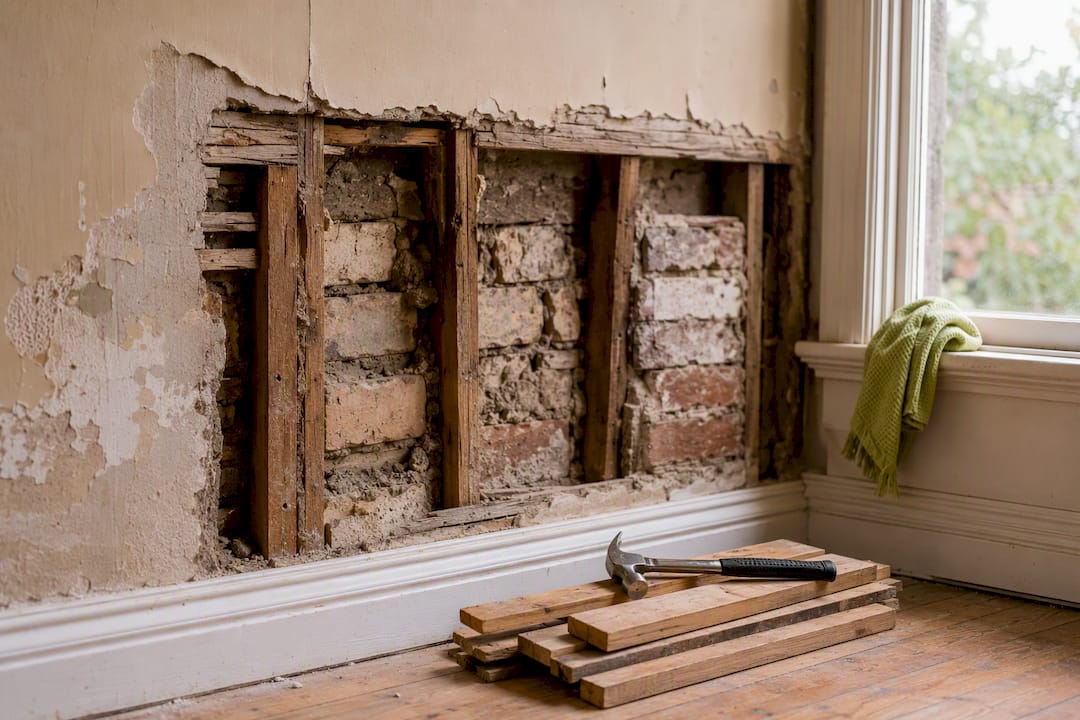
Cost plus flips that risk allocation. You pay the actual cost of labour and materials plus an agreed builder’s margin, usually a percentage. This suits projects where nobody can nail down the scope in advance, think heritage restorations where you don’t know what’s behind the plaster until you open the wall, or highly bespoke architectural builds where design decisions keep evolving during construction.
Design and construct (D&C) puts one party, usually the builder, in charge of both the design and the build. You get a single point of accountability instead of juggling an architect and a builder separately, which can reduce finger pointing when something goes wrong.
Schedule of rates contracts price the job by unit rates (per square metre, per cubic metre of concrete, and so on) rather than a single lump figure. It works well when the general scope is known but exact quantities aren’t, common in civil and infrastructure work, and occasionally in larger renovations.
Guaranteed maximum price (GMP) is a hybrid: the builder works on a cost-plus basis but agrees to a ceiling. Go over that number and the builder typically absorbs the excess (unless it’s due to a client-approved variation). It gives you some of cost-plus’s flexibility with a safety net.
Time and materials charges for actual hours worked plus materials used, with no fixed cap. It’s most common for small jobs, repairs, and short-term trade work rather than full home builds.
In practice, few real projects use one structure in its purest form. A lump sum home build might include provisional sums for items like landscaping or a pool that aren’t finalised yet, and a cost-plus heritage renovation might carry a GMP cap on structural work while leaving finishes open-ended. These hybrids exist because real projects rarely fit a single template cleanly.
Standard-form contracts: why the template matters as much as the price structure
Here’s something that trips up a lot of homeowners: the pricing structure (lump sum, cost plus, and so on) is different from the standard-form document that implements it. You can have a lump sum job written up in a HIA contract, a Master Builders contract, or a solicitor-drafted custom agreement, and each will handle variations, delays, and dispute resolution slightly differently.
HIA (Housing Industry Association) contracts are the most widely used residential templates in Australia, with state-specific versions built to reflect local legislation.
Master Builders contracts serve a similar role and are common among builders who hold Master Builders membership.
ABIC contracts are typically used for more complex or architect-administered projects, particularly where an architect is contract-administering on the homeowner’s behalf.
Fair Trading and government templates exist in some jurisdictions as a baseline, though they’re less commonly used for bespoke residential work than the industry-published forms.
Standard-form contracts must be read and adapted against the legislation in your state, because they cannot override statutory protections even where their clauses say otherwise. A generic template that hasn’t been customised for your project or jurisdiction can leave both builder and homeowner exposed. For heritage restorations, architecturally complex builds, or anything involving unusual risk allocation, it’s worth having a solicitor review the contract rather than relying on the standard form as-is.
What state and territory rules actually require of your contract
There’s no single national law governing residential building contracts in Australia. Each state and territory regulates domestic building work under its own legislation, which means the rules that apply to your build depend entirely on your postcode, not some uniform federal standard.
In New South Wales, the thresholds are specific: jobs valued between $5,000 and $20,000 are treated as small jobs with lighter contract requirements, while anything over $20,000 needs a full written contract complete with a progress payment schedule tied to construction milestones. Queensland draws its lines differently again: the Queensland Building and Construction Commission distinguishes work under $3,300, work between $3,301 and $19,999, and work at $20,000 or more, with different documentation obligations attached to each band.
These thresholds matter because they trigger genuine legal obligations, not just best practice:
Written contract requirements kick in above a set dollar value in every jurisdiction, though the exact figure differs state to state.
Progress payment rules typically require payments to correspond to actual work completed at each stage, not arbitrary calendar dates.
Statutory warranties guarantee a minimum standard of workmanship and materials regardless of what the contract itself says, and they usually run for a defined period after practical completion.
Cooling-off rights may apply to residential contracts in some states, giving homeowners a short window to withdraw after signing.
Statutory warranty periods and defects liability timeframes are worth understanding in detail before you sign, particularly around what’s covered and for how long. Because these figures shift with legislative updates, always confirm the current numbers with your state’s building regulator rather than relying on a figure you read somewhere else, including this article.
How to choose the right contract type for your project
The decision usually boils down to one honest question: how well do you actually know what you’re building?
If your design and specifications are locked in, floor plan finalised, finishes selected, engineering done, lump sum gives you price certainty and puts the overrun risk on the builder. If your scope is genuinely uncertain, an old home with unknown structural issues, a heritage property, a highly custom design still being refined, cost plus, schedule of rates, or a GMP arrangement will usually serve you better than forcing a fixed price onto a moving target. If you want one party accountable for both design and delivery, design and construct removes the split responsibility between architect and builder.
Beyond that basic split, weigh up:
Scope certainty. How finished are your drawings and specifications, genuinely?
Risk appetite. Would you rather pay a bit more for price certainty, or take on some risk for potential savings?
Lender requirements. Many lenders require a fixed-price contract before releasing finance, so check with your bank early.
Transparency needs. Cost plus demands trust and detailed reporting; are you comfortable with an open-book relationship?
Project complexity. Heritage work, difficult sites, and highly bespoke architecture rarely suit a pure lump sum.
Before signing, ask your builder directly: What’s included versus excluded from this price? How are variations priced and approved? What happens if we hit an unforeseen issue, who pays? How are progress payments structured against milestones? Watch for red flags like vague scope descriptions, no defined variation process, or a payment schedule based on time elapsed rather than work completed.
Pro Tip: If a builder pushes hard for cost plus on a project where your design is already finalised, ask why. A locked-in scope usually means lump sum is achievable, and reluctance to quote a fixed price on clear specifications is worth questioning.
Getting variations, provisional sums and prime costs right
Most contract disputes in residential construction don’t come from the pricing structure itself, they come from how variations and allowances get handled once work is underway.
A provisional sum is an estimated allowance for work that can’t be priced accurately at contract signing, such as excavation on an unknown site condition. A prime cost item is an allowance for a specific product, like tapware or tiles, where the final selection hasn’t been made yet. Both should be clearly itemised in the contract, not buried in a lump figure.
Variations are any changes to the agreed scope after signing, and the workflow that protects everyone is simple: written variation request, priced before work begins, signed by both parties before the change proceeds. Verbal agreements are where trust breaks down fastest.
For cost-plus arrangements, insist on an open-book approach with receipts and subcontractor invoices backing every claim, not just a running total.
Link every payment claim to a completed milestone, not a date on the calendar.
Keep a written log of every variation, even small ones, they add up fast.
Pro Tip: Ask for prime cost and provisional sum items to be listed individually in your contract schedule, not lumped into one allowance figure. It makes tracking actual spend against budget far easier once construction starts.
How contract choice plays out on real Melbourne builds
The contract type usually mirrors the project itself. A new architectural build with finished drawings typically gets a lump sum contract, because the client wants certainty and the design is settled enough to price accurately. A heritage renovation, where unknown factors often arise, often runs on a cost-plus or hybrid GMP arrangement, with a cap on structural risk and openness on finishes.
What stays consistent across every project is how the contract is managed once it’s signed:
Progress payments are tied to completed milestones, not arbitrary dates, so clients always know what they’re paying for.
Every variation is documented and priced before work proceeds, never agreed verbally on-site.
Clients get regular updates so nothing about cost or scope is a surprise month into the build.
If you’re wondering what actually happens in the weeks after you sign, our guide on what to expect after signing a building contract walks through it stage by stage, alongside our breakdown of progress payment schedules for anyone still deciding how milestones should be structured.
Certainty versus flexibility: the trade-off nobody explains clearly enough
Every contract type is a trade-off between price certainty and flexibility, and no structure gives you both. Lump sum protects your budget but punishes you for changing your mind mid-build. Cost plus lets you adapt as you go but demands real trust and real paperwork discipline. There’s no universally “best” choice, only the choice that matches how settled your project actually is.
My honest read: too many homeowners choose lump sum because it sounds safer, then get frustrated when a genuinely undefined heritage project doesn’t fit that mould. Match the contract to the scope, not to what feels reassuring on paper.
Before signing anything, confirm your state’s current thresholds, insist on a milestone-linked payment schedule, and get independent advice on any project over a size that would genuinely hurt to get wrong.
— Matthew
Get contract clarity on your next Melbourne build with Yorcon
The goal is to take the guesswork out of contract structure by managing the entire process, design, permits, approvals, and construction, under milestone-linked payment schedules and documented variation approvals from day one.
Whether planning a home extension, a full home renovation, or a knockdown-rebuild, the approach pairs the right pricing structure with the right project type, lump sum for finalised designs, hybrid cost-plus arrangements for heritage or highly custom work, aiming to avoid contracts that don’t match the actual scope. Regular cost reporting means you always know where your budget stands, not just at handover. If you’re weighing up your options for a Melbourne build, book a consultation with Yorcon and we’ll walk you through which contract structure genuinely fits your project.
Sources
Recommended


