
Types of Residential Development Projects in Australia

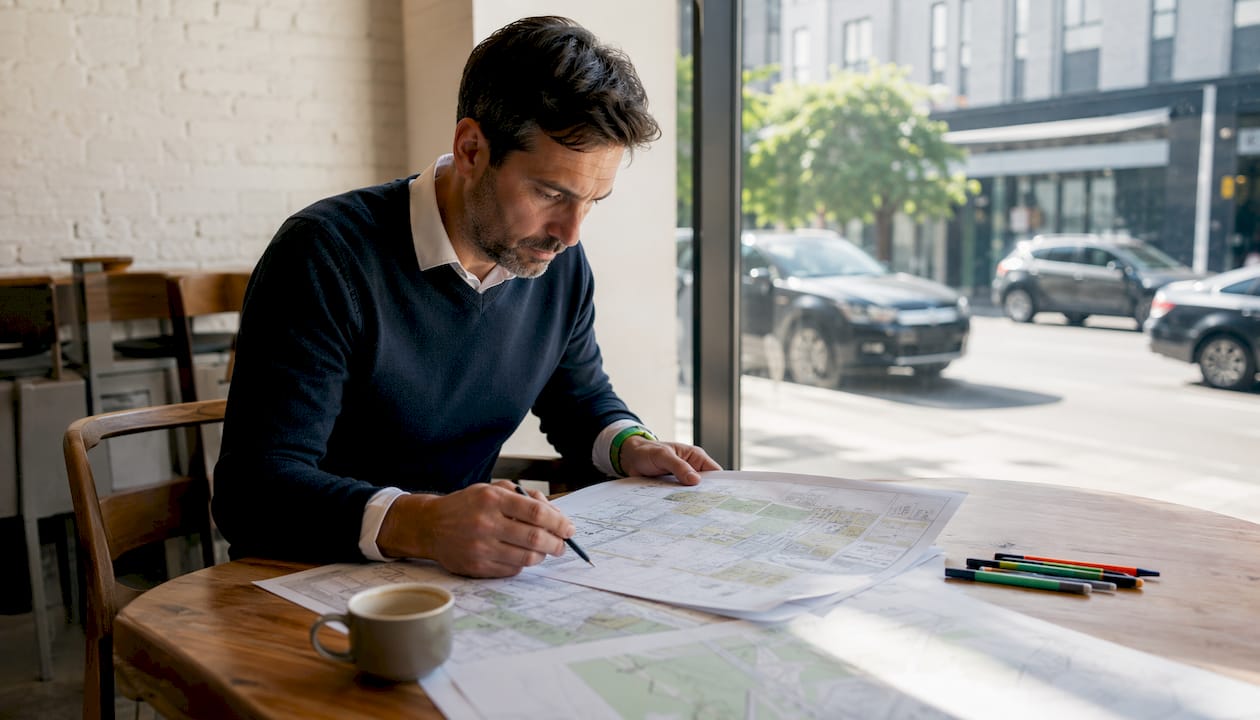
What are the main types of residential development projects?
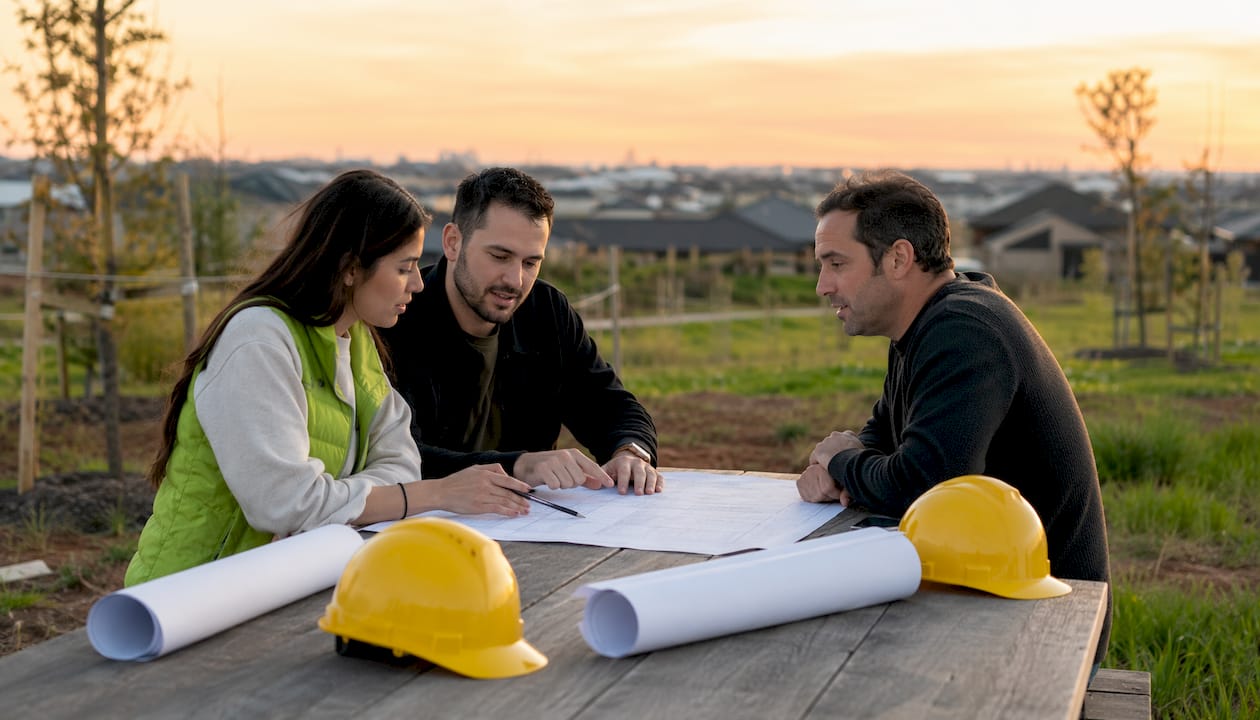
Residential development projects in Australia fall into distinct categories based on dwelling density and building typology. Knowing which category fits your goals is the first real decision you make as a homeowner, builder, or investor.
The main project types are:
Detached houses: Single dwellings on their own lot, the classic Australian home and the foundation of most greenfield estates
Duplexes and dual occupancy: Two dwellings on one title or a subdividable block, a popular entry point for small-scale developers; learn more about the benefits of dual occupancy
Townhouses and villas: Attached or semi-detached dwellings at low-to-medium density, typically three to twenty dwellings on consolidated lots
Boutique apartments: Four to twelve dwellings across three to five storeys, usually targeting owner-occupiers in established suburbs
Medium-density apartments: Twelve to fifty dwellings, the most active segment of the Australian apartment market
High-density apartment towers: Fifty or more dwellings across ten or more storeys, concentrated in capital city CBDs
Mixed-use developments: Apartments combined with ground-floor retail or commercial uses, increasingly common in urban renewal precincts
Specialist residential: Includes NDIS Specialist Disability Accommodation, retirement living, and purpose-built student accommodation
Knockdown rebuild: Replacing an existing dwelling on an established lot, a practical path for homeowners wanting a new home without relocating
Projects are also classified by site context: greenfield (undeveloped fringe land), infill (established suburbs at higher density), brownfield (former industrial land), and greyfield (ageing middle-ring residential stock).
Pro Tip: Residential yields typically sit between 3–5%, which may not sound dramatic, but steady cash flow combined with long-term capital growth makes residential development attractive across most project categories.
Table of Contents
How does a residential development project actually unfold?
The residential development lifecycle in Australia follows eight stages, with design and approvals typically taking 3–6 months and construction averaging 10–18 months.
Pre-purchase due diligence: Site analysis, zoning checks, and feasibility modelling. Early-stage work shapes the entire project’s financial outcome far more than any decision made during construction.
Concept and feasibility: Sketch designs, cost estimates, and yield testing against the site’s planning controls.
Site acquisition: Securing the land, often subject to planning conditions or finance approval.
Planning and DA approvals: Lodging a Development Application or planning permit. Council requests for information are common and unpredictable; proactive documentation and a good town planner reduce delays meaningfully.
Detailed design and documentation: Working drawings, engineering, and specifications prepared for tender.
Pre-construction and procurement: Builder selection, contract execution (typically HIA or MBA standard forms), and pre-sales. Most lenders require pre-sales before releasing development finance, which involves short-term lending at higher rates than standard mortgages.
Construction: The build phase, where contract administration and a detailed variations register protect against cost overruns. Scope changes are the most common driver of budget blowouts.
Final exit: Sale, rental, or refinance. Foreign buyers should note that purchasing established dwellings is banned until June 30, 2029, though new dwellings and vacant land remain accessible.
Sustainability considerations enter at the design stage, covering energy ratings under the National Construction Code, water efficiency, and materials selection. These are no longer optional extras; they affect planning approvals and long-term asset value.
Yorcon brings nearly 20 years of residential expertise to your project
Choosing the right builder changes everything. At Yorcon, we’ve spent nearly two decades managing residential projects across Melbourne, from architectural new builds and heritage renovations to home extensions that genuinely add living space without disrupting your life. We handle the entire process, from design through to handover, with transparent communication at every stage. If you’re ready to talk through your project, contact Yorcon today.
Key Takeaways
Australia’s residential development market rewards those who understand project categories and lifecycle stages before committing capital or signing contracts.
Point | Details |
Project types by density | Categories range from detached houses and duplexes to boutique, medium-density, and high-density apartments. |
Lifecycle length | Design and approvals take 3–6 months; construction typically runs 10–18 months. |
Finance complexity | Development loans involve short-term lending and higher rates than standard mortgages. |
Foreign ownership rules | Foreign buyers cannot purchase established dwellings in Australia until June 30, 2029. |
Yorcon’s role | Yorcon manages the full residential build process in Melbourne, from extensions to architectural new builds. |
Recommended


