
Property Value Adding Renovation Projects: 2026 Australia Guide

The renovations that consistently deliver the strongest returns in Australian metro markets are kitchen upgrades, bathroom refreshes, second-storey additions, and outdoor living extensions. These aren’t just cosmetic wins. They shift a home into a higher buyer segment, meet the expectations of today’s discerning purchasers, and hold up under scrutiny at auction. Here’s a quick look at what the data supports before we go deeper:
Kitchen renovations: 60–80% ROI in added property value in Australian metro markets
Bathroom upgrades: Typically return 60–80% of renovation cost in added property value in Australian metro markets; second bathrooms are particularly valued by family buyers
Second-storey additions and extensions: 70–100% cost recovery in most suburbs, higher in premium areas
Outdoor living areas (decks, alfresco): 60–100% return on cost, especially in family-focused suburbs
Smart home technology: Can increase property value by 3–7.7% and speed up sale times by approximately 15%
Energy efficiency upgrades: Growing buyer priority; solar panels, insulation, and double-glazing all improve marketability
Exterior improvements: Fresh paint, new entry doors, and garage door replacements deliver strong curb appeal for relatively modest spend
Landscaping: Low-cost, high-visibility improvements that shape a buyer’s first impression before they step inside
The key principle running through all of these: match the quality of your renovation to what buyers in your suburb actually expect. Spend more than the market ceiling supports, and you won’t recover it at sale.
Which renovation projects add the most value to your home?
Every homeowner wants to know where their renovation dollar works hardest. The honest answer is that it depends on your home’s current condition, your suburb’s price ceiling, and how well the finished product aligns with what local buyers are actively seeking. That said, certain project types consistently outperform others across Australian markets.
Kitchen renovations
The kitchen is still the room that sells a house. A dated layout with laminate benchtops and tired cabinetry signals neglect to buyers, even when everything else is well-maintained. A well-executed kitchen renovation, one that improves the layout, introduces quality stone benchtops, and upgrades appliances, can return 60–80% of its cost in added value in Australian metro markets. The key is restraint: a $60,000 kitchen in a suburb where comparable homes sell for $700,000 is a harder sell than a $25,000 kitchen that hits the same visual notes without the premium price tag.
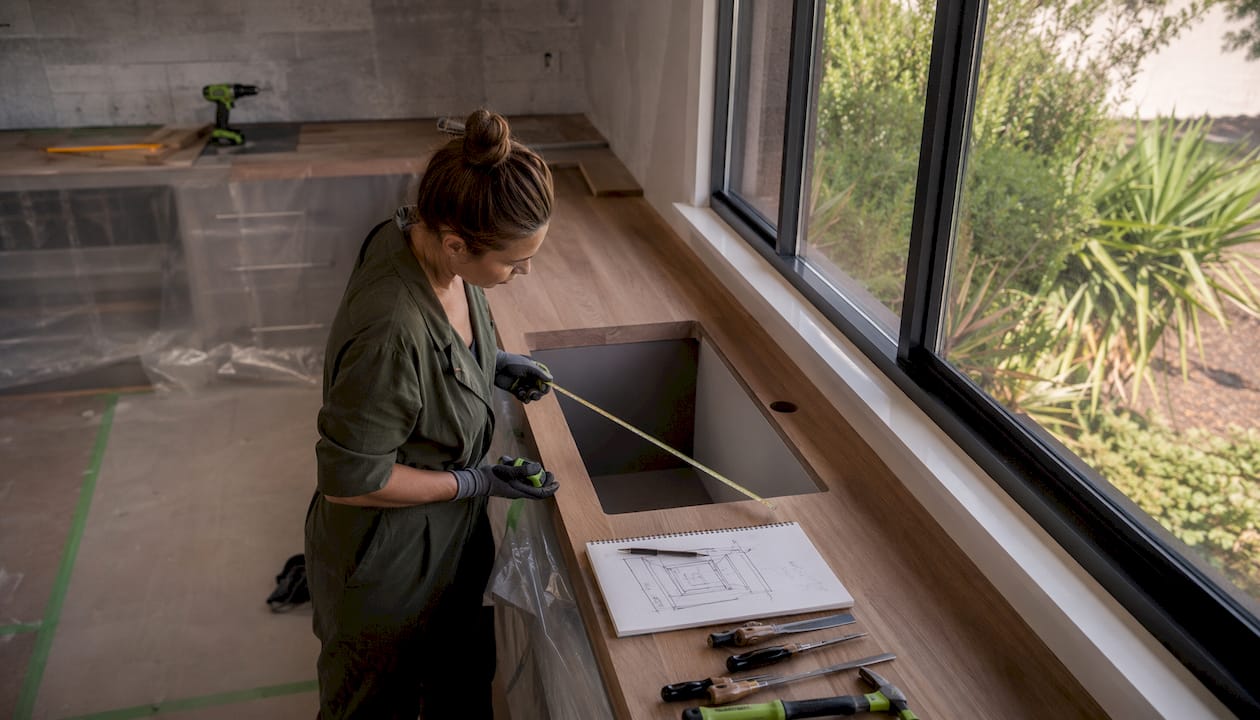
Successful kitchen renovations retain the home’s structural bones and focus spend on what buyers actually see and touch: cabinetry, benchtops, splashbacks, and appliances. Opening the kitchen to a living or dining area, where the structure allows it, consistently ranks among the most buyer-appealing changes a homeowner can make.
Bathroom upgrades
Buyers notice bathrooms immediately, and a poorly maintained one can undermine an otherwise strong property. Replacing outdated fixtures, retiling, and improving lighting transforms the feel of a bathroom without necessarily requiring a full structural overhaul. Adding a second bathroom to a family home is one of the most reliable ways to shift a property into a higher price bracket, particularly in suburbs where four-bedroom homes with a single bathroom are common. We’ve written more about the specific design choices that drive bathroom renovation value if you want to go deeper on this one.
Second-storey additions and living space extensions
Adding a bedroom or a second storey changes what category of buyer your home attracts. A three-bedroom home that becomes a four-bedroom home with a second living area competes in a completely different pool at auction. Second-storey additions and extensions generally recover 70–100% of renovation costs across most Australian suburbs, with returns climbing higher in premium areas where land is constrained and buyers are willing to pay for space. The structural and design complexity of these projects makes builder selection critical.
Outdoor living areas
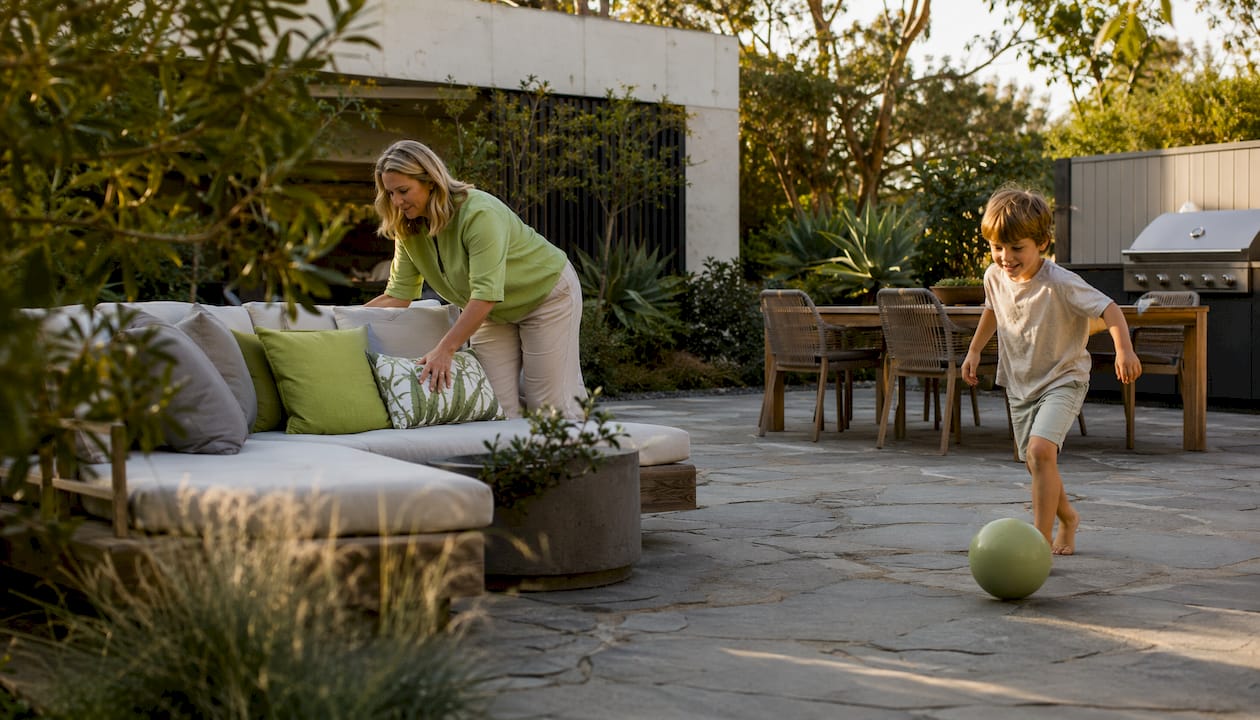
Australians live outdoors, and buyers price that in. A well-built deck, covered alfresco area, or landscaped entertaining space can return a substantial portion of its cost, particularly in family-focused suburbs where outdoor space is a primary purchase driver. The finish quality matters here: a professionally built alfresco with appropriate drainage, lighting, and weather protection reads very differently to a DIY deck. Pool additions are a separate conversation, and it’s worth understanding how pools affect home value before committing to that level of spend.
Energy efficiency upgrades
Solar panels, insulation, and double-glazed windows are increasingly influencing buyer decisions, not just as environmental choices but as practical cost-of-living considerations. Energy efficiency upgrades improve home marketability and appeal to eco-conscious buyers, and their ROI importance continues to grow as energy prices remain elevated. A home with a good NatHERS rating and a solar system already installed is a genuinely easier sell in 2026 than one without.
Exterior improvements
Curb appeal shapes a buyer’s emotional response before they’ve seen a single room. Fresh exterior paint, a new front door, updated garage doors, and tidy landscaping are among the most cost-effective improvements available. The cost per square meter for cosmetic updates ranges from $2,000–$3,000, making exterior refreshes accessible even on tighter budgets.
Renovation Type | Typical ROI Range | Key Buyer Appeal |
Kitchen renovation | 60–80% of cost | Layout, benchtops, appliances |
Bathroom upgrade | 60–80% of cost | Fixtures, tiling, second bathroom |
Second-storey addition | 70–100% of cost | Extra bedrooms, living space |
Outdoor living area | 60–100% of cost | Alfresco, deck, entertaining |
Energy efficiency upgrades | Growing ROI | Solar, insulation, double-glazing |
Exterior improvements | High for low spend | Paint, doors, landscaping |
A note on timing and permits: Council regulations and heritage overlays can significantly affect renovation design choices, costs, and timelines. Local council requirements influence project viability and, ultimately, resale value. Getting permits sorted before construction begins, not during, protects your budget and your timeline.
How do you avoid overcapitalizing on your renovation?
Overcapitalization is what happens when you spend more on a renovation than the local market will ever give back. It’s one of the most common and costly mistakes homeowners make, and it’s almost always avoidable with the right preparation.
The risk is straightforward: if the renovated homes in your suburb sell for a ceiling of $1.2 million, spending $400,000 on a renovation to a property you bought for $900,000 leaves you exposed. The market won’t reward you for the marble benchtops if comparable homes are selling with laminate. Matching renovation finish quality to suburb expectations is the single most important principle in protecting your return on investment.
Research comparable sales before you commit
Before you finalize a renovation scope, spend time understanding what renovated homes in your suburb actually sell for. Look at recent comparable sales, not just asking prices, and pay attention to the finish level in those properties. Markets with high price dispersion between renovated and unrenovated homes offer the greatest value-add opportunities. If that gap is narrow, your renovation budget needs to be tighter.
Choose finishes that fit the neighborhood
A $15,000 bathroom with quality tiles and a frameless shower screen can look just as impressive as a $40,000 bathroom in the right suburb. The goal isn’t to spend the most; it’s to spend appropriately. Expert designers consistently recommend renovating only to the quality level expected for your neighborhood to maximize resale value. That means researching what finishes comparable homes feature, not what you’d choose for your forever home.
Balance aesthetic updates with structural repairs
A beautiful new kitchen sitting on a cracked slab or a freshly painted facade hiding rotting weatherboards will not hold up to a building inspection. Buyers and their conveyancers will find structural issues, and those findings can unravel a sale or force price reductions that wipe out your renovation investment. Prioritize structural integrity first, then allocate remaining budget to the aesthetic upgrades that drive buyer appeal.
Pro Tip: Define your full renovation scope in writing before construction begins. Scope creep, where small additions accumulate during the build, is one of the leading causes of budget overruns. Every change order costs more mid-build than it would have in the planning phase.
Understand council regulations and heritage overlays
Local council regulations and heritage overlays don’t just affect what you can build; they affect how long it takes and how much it costs. A heritage overlay on a Victorian terrace in inner Melbourne, for example, may restrict materials, window styles, and facade changes. Working within these constraints from the start, rather than discovering them mid-project, keeps your timeline and budget intact.
How smart home technology is changing what buyers will pay
Smart home technology has moved from a lifestyle luxury to a genuine market expectation in Australian residential real estate. Buyers who might have once viewed home automation as a novelty now factor it into their purchase decisions, particularly in the $1 million-plus segment.
The numbers are clear. Integrated smart home technology can increase property values by 3–7.7% and accelerate sale times by approximately 15%. That’s not a marginal benefit. On a $1.2 million home, a 5% uplift represents $60,000 in added value from a category of upgrade that often costs a fraction of a kitchen renovation.
Security is the entry point most buyers respond to. A professionally installed system with CCTV, smart locks, and monitored alarms signals that the home has been maintained with care and that the new owner won’t need to spend on security from day one. Climate control automation, particularly zoned ducted systems with smart thermostats, appeals to buyers thinking about running costs. Automated lighting adds both convenience and energy savings.
The distinction between whole-home integrated infrastructure and a collection of standalone smart devices matters enormously to buyers. A whole-home smart system that controls security, climate, and lighting through a single interface is a genuine value driver. A collection of mismatched smart bulbs and a voice assistant is not. Buyers can tell the difference, and so can valuers.
Smart technology also reduces a home’s running costs in ways that buyers increasingly price in. Automated climate control prevents energy waste. Smart irrigation systems cut water bills. Solar monitoring systems paired with battery storage give buyers visibility over their energy independence. These aren’t just features; they’re ongoing financial benefits that buyers factor into what they’re willing to pay.
What Yorcon brings to your renovation project
At Yorcon, we’ve spent nearly 20 years working on Melbourne homes, from Victorian terraces in Fitzroy to contemporary extensions in Kew, and the pattern we see most often is this: homeowners who get the best results are the ones who plan thoroughly, choose their builder carefully, and stay engaged throughout the process.
The projects that deliver the strongest property value outcomes are rarely the ones with the biggest budgets. They’re the ones where the design brief was clear from the start, the scope was locked before construction began, and the finish quality was matched deliberately to what the local market rewards. We manage the entire building process from design through to completion, which means our clients aren’t left navigating the gap between what an architect drew and what a builder actually delivered.
For homeowners considering a home extension in Melbourne, the value case is strong when the project is scoped correctly. Adding a second storey or a rear extension to a well-located Melbourne property, in a suburb where the price gap between renovated and unrenovated homes is wide, can shift a home into a buyer segment that commands meaningfully higher prices. The structural complexity of these projects, particularly in homes with heritage overlays or challenging site conditions, is exactly where experienced project management pays for itself.
We also work extensively on heritage home renovations, where council overlays and period-appropriate materials add layers of complexity that less experienced builders often underestimate. Getting these projects right requires an understanding of lime mortar, heritage-compliant windows, and the specific expectations of local councils, knowledge that comes from years of working within Melbourne’s inner suburbs.
Whether you’re planning a kitchen and bathroom refresh, a full rear extension, or a second-storey addition, the conversation we always start with is the same: what does your suburb’s market actually reward, and how do we build to that standard without leaving money on the table?
Ready to talk through your renovation plans with a team that understands Melbourne’s market from the ground up? Explore Yorcon’s home renovation services or get in touch to start the conversation.
Key Takeaways
The highest-return renovation projects in Australia are kitchens, bathrooms, living space extensions, and outdoor areas, but only when the finish quality is matched to what your suburb’s buyers actually expect.
Point | Details |
Kitchen and bathroom ROI | Both typically return 60–80% of renovation cost in added property value in Australian metro markets. |
Extensions and additions | Second-storey additions recover 70–100% of costs, with higher returns in premium suburbs. |
Smart home value uplift | Integrated smart technology can increase property value by 3–7.7% and cut sale time by approximately 15%. |
Avoid overcapitalization | Match finish quality to suburb price ceilings; research comparable sales before committing to a scope. |
Outdoor living returns | Decks and alfresco spaces return 60–100% of cost, particularly in family-focused Australian suburbs. |
Recommended


