
What Is a Wet Area Renovation? Your Australian Guide
- Yorgo

- 21 hours ago
- 6 min read
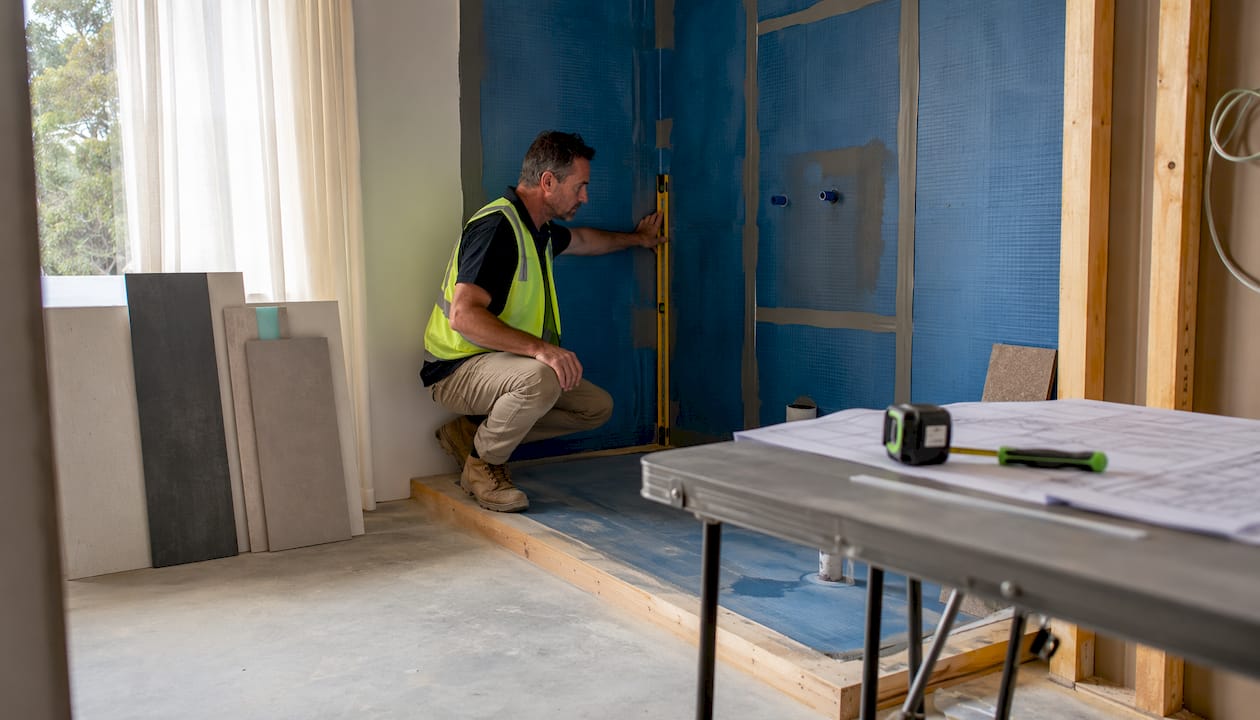
What a wet area renovation actually covers
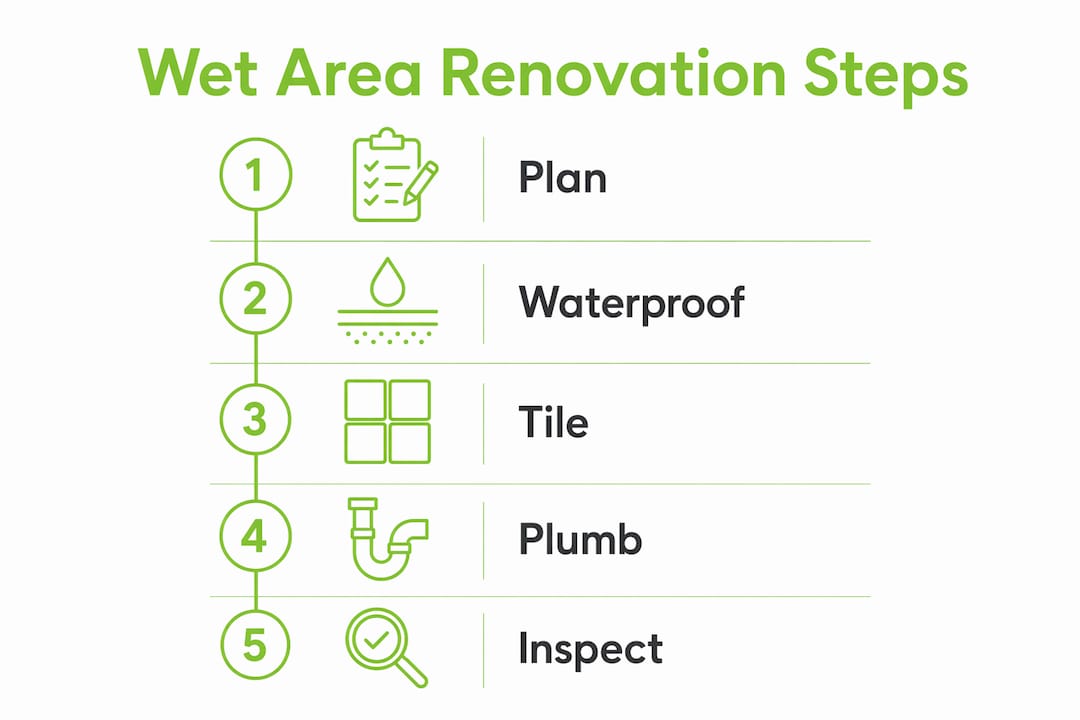
A wet area renovation means updating or rebuilding the parts of your bathroom, ensuite, or laundry that are regularly exposed to water. Under Australian Standard AS 3740-2021, these zones include shower floors and walls, bath surrounds, and laundry areas — and every one of them must meet strict waterproofing requirements before a renovation is considered complete.
This is not simply a retiling job. A proper wet area remodel addresses the entire system beneath the surface: waterproof membranes, substrate preparation, floor falls, and sealed penetrations. Here is what a wet area renovation typically involves:
Waterproofing membrane installation across floors, walls, and junctions to AS 3740-2021 specifications
Tiling with slip-rated materials (R10 or higher) suited to constant moisture exposure
Fixture upgrading including showers, baths, basins, and tapware
Floor fall correction so water drains toward wastes rather than pooling
Ventilation improvements to manage humidity and prevent mold
NCC compliance sign-off from a licensed waterproofer before finishing
Poor waterproofing is the leading cause of bathroom failure in Australia, with repair costs ranging from $10,000 to $30,000+ when moisture damage reaches the structure. Getting the system right the first time is not optional.
Table of Contents
Which zones in your bathroom actually count as wet areas?
Not every part of a bathroom carries the same moisture risk, and the National Construction Code draws a clear line between fully wet zones and semi-wet zones. Knowing the difference helps you plan where to spend your waterproofing budget.
Primary wet zones (highest exposure, full waterproofing required):
Shower floor and walls up to 1,800 mm above the floor substrate
Bath surrounds and spa areas
Laundry floors and wall/floor junctions
Any floor area graded to a floor waste
Semi-wet zones (water-resistant treatment required):
Vanity areas and basin surrounds within 75 mm of a wall
Toilet surrounds, particularly where a bidet spray is installed
Areas outside the shower enclosure on concrete or fibre-cement floors
Material choice follows the zone. Porcelain tiles are the go-to for primary wet zones, costing $40–$150 per square metre installed, because they are dense, non-porous, and naturally slip-resistant when textured. Natural stone works beautifully in semi-wet zones but needs regular sealing and costs $80–$200 per square metre installed.
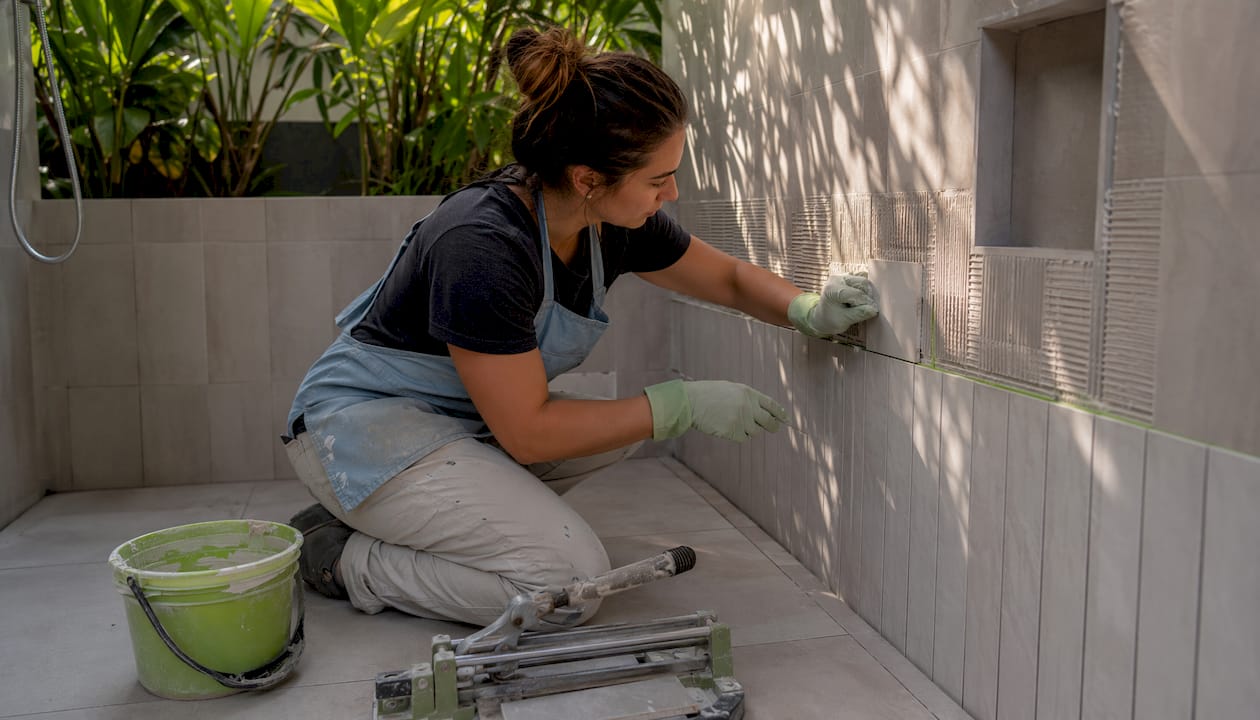
Wet area remodel vs. full bathroom renovation: what’s the difference?
This is one of the questions we hear most often at Yorcon, and the answer shapes your entire budget and timeline.
A wet area remodel focuses exclusively on the water-exposed zones: the shower, bath surround, and laundry. The layout stays put, the plumbing connections remain where they are, and the work concentrates on waterproofing, tiling, and fixture replacement within the existing footprint. It is faster, less disruptive, and significantly cheaper.
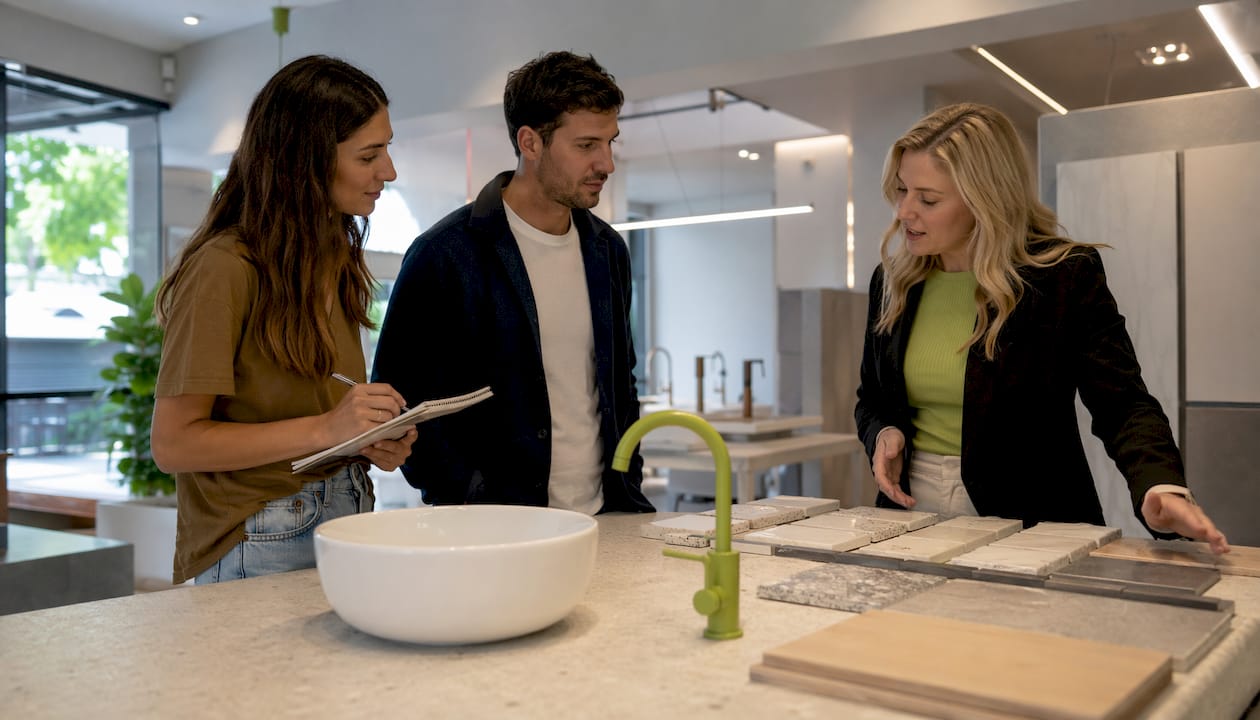
A full bathroom renovation involves the entire room: new layout, relocated plumbing, new cabinetry, lighting, and a complete cosmetic overhaul. It delivers a transformed space but comes with a much larger scope.
Wet area remodel pros:
Lower cost and shorter timeline
Preserves existing plumbing positions
Layout preservation generally leads to significant cost savings compared to relocating plumbing, with cost savings of 40–60% when the layout is kept versus moved.
Stronger return on investment for most homeowners
Wet area remodel cons:
Does not address layout inefficiencies
Cosmetic areas outside the wet zone remain unchanged
Full renovation pros:
Complete transformation of the space
Opportunity to fix layout problems permanently
Full renovation cons:
Higher cost, longer timeline, more trades involved
Drain or wet wall relocation adds $1,500–$3,000 per drain moved
If your layout works and your main frustration is a leaking shower or dated tiles, a targeted wet area remodel almost always delivers better value.
Australian compliance standards you cannot skip
Waterproofing in Australia is a licensed trade, and for good reason. The NCC’s waterproofing provisions exist specifically to protect occupants from illness or injury and to protect the building from moisture damage. Skipping or cutting corners here has real consequences.
Key compliance requirements:
All wet area building elements must be waterproof or water-resistant per NCC Part 10.2
Shower walls must be waterproofed to a minimum height of 1,800 mm above the floor substrate
Floor surfaces must be graded toward a floor waste with no ponding
Wall/floor junctions and all penetrations (tapware, pipes) must be fully waterproofed
Work must be completed by a licensed waterproofer who provides a written certificate
Certification typically carries a 10-year warranty and ensures your insurer will cover water damage claims. Without it, a single leak behind your shower wall can result in a six-figure repair bill that no one will pay but you.
Compliance checklist:
Engage a licensed waterproofer (not a general tiler)
Confirm AS 3740-2021 is the referenced standard for your project
Obtain written waterproofing certificate before tiling begins
Arrange a building inspection sign-off before final finishes
What a wet area renovation realistically costs and how long it takes
A standard wet area renovation in Australia typically runs 3–5 weeks from demolition to final inspection. Here is how that time breaks down, and where the money goes.
Timeline stages:
Planning and design (1–2 weeks): scope confirmation, material selection, council checks if required
Demolition (1–3 days): strip tiles, remove fixtures, asbestos check on older homes
Waterproofing and substrate prep (2–4 days): membrane application, cure time, inspection
Tiling and installation (3–5 days): floor and wall tiling, fixture fitting
Finishing and inspection (2–3 days): grouting, silicone sealing, compliance sign-off
Cost factors to plan for:
Preserving the existing layout keeps costs down significantly
Moving a drain requires cutting the concrete slab, re-plumbing, and waterproofing re-certification
Material grade (porcelain vs. natural stone) affects both cost and maintenance long-term
Ventilation upgrades, if needed, add to the trade scope but protect your investment
For a custom home renovation that includes wet area work, the planning phase is where the biggest cost decisions get made. Locking in your layout early avoids expensive changes mid-build.
What Yorcon’s experience tells us about wet area renovations
After nearly 20 years of residential construction in Melbourne, we have seen the same mistakes repeat themselves. The most common? Treating a wet area renovation as a tiling project rather than a waterproofing project. Tiles are the visible finish. The membrane beneath them is what actually protects your home.
Moisture-related insurance claims most often trace back to failures at wall/floor junctions and around tapware penetrations — the exact spots that look fine from the outside but fail silently over years. We address these junctions methodically on every project, because a beautiful shower that leaks behind the wall is not a finished bathroom.
Our approach at Yorcon combines licensed waterproofing, AS 3740-2021 compliance, and quality finishes selected for the specific moisture demands of each zone. We also walk clients through the compliance certificate process so there are no surprises at inspection.
What we recommend for every wet area renovation:
Always request a waterproofing certificate before tiling proceeds
Choose porcelain or vitrified tiles for shower floors; reserve natural stone for lower-exposure zones
Install an exhaust fan rated for the room volume — ventilation is the most overlooked protection against long-term mold
If your home was built before 1990, budget for an asbestos check during demolition
Treat the bathroom renovation process as a system, not a series of separate trades
Yorcon brings your wet area renovation together in Melbourne
Renovating a wet area well means coordinating waterproofing, tiling, plumbing, and compliance inspections without a single gap in the sequence. That is exactly where homeowners run into trouble when they manage trades independently.
Yorcon handles the entire wet area renovation process for Melbourne homeowners, from initial design and licensed waterproofing through to final compliance sign-off. With nearly 20 years of experience in residential construction, we bring the same methodical approach to a single bathroom as we do to a full home extension. No gaps in the waterproofing. No surprises at inspection.
If you are ready to renovate your bathroom the right way, get in touch with Yorcon to discuss your project and receive a detailed quote.
Key Takeaways
A wet area renovation is a waterproofing-first project: the membrane system beneath the tiles determines whether the renovation lasts or fails within years.
Point | Details |
Wet area definition | Bathrooms, showers, ensuites, and laundries regularly exposed to water, as defined under AS 3740-2021. |
Waterproofing is mandatory | Licensed waterproofers must provide a written certificate; DIY waterproofing voids home insurance coverage. |
Repair cost of failure | Poor waterproofing leads to repair costs ranging from $10,000 to $30,000+ when structural damage occurs. |
Layout preservation saves money | Keeping existing drain positions delivers cost savings of 40–60% compared to relocating plumbing. |
Yorcon’s role | Yorcon manages licensed waterproofing, AS 3740-2021 compliance, and quality finishes for Melbourne wet area renovations. |
Recommended


Comments